10 Reasons Why Rope Flow is The #1 Trending Movement Practice in 2026
By Chin Chang, founder of TRG Flow Updated
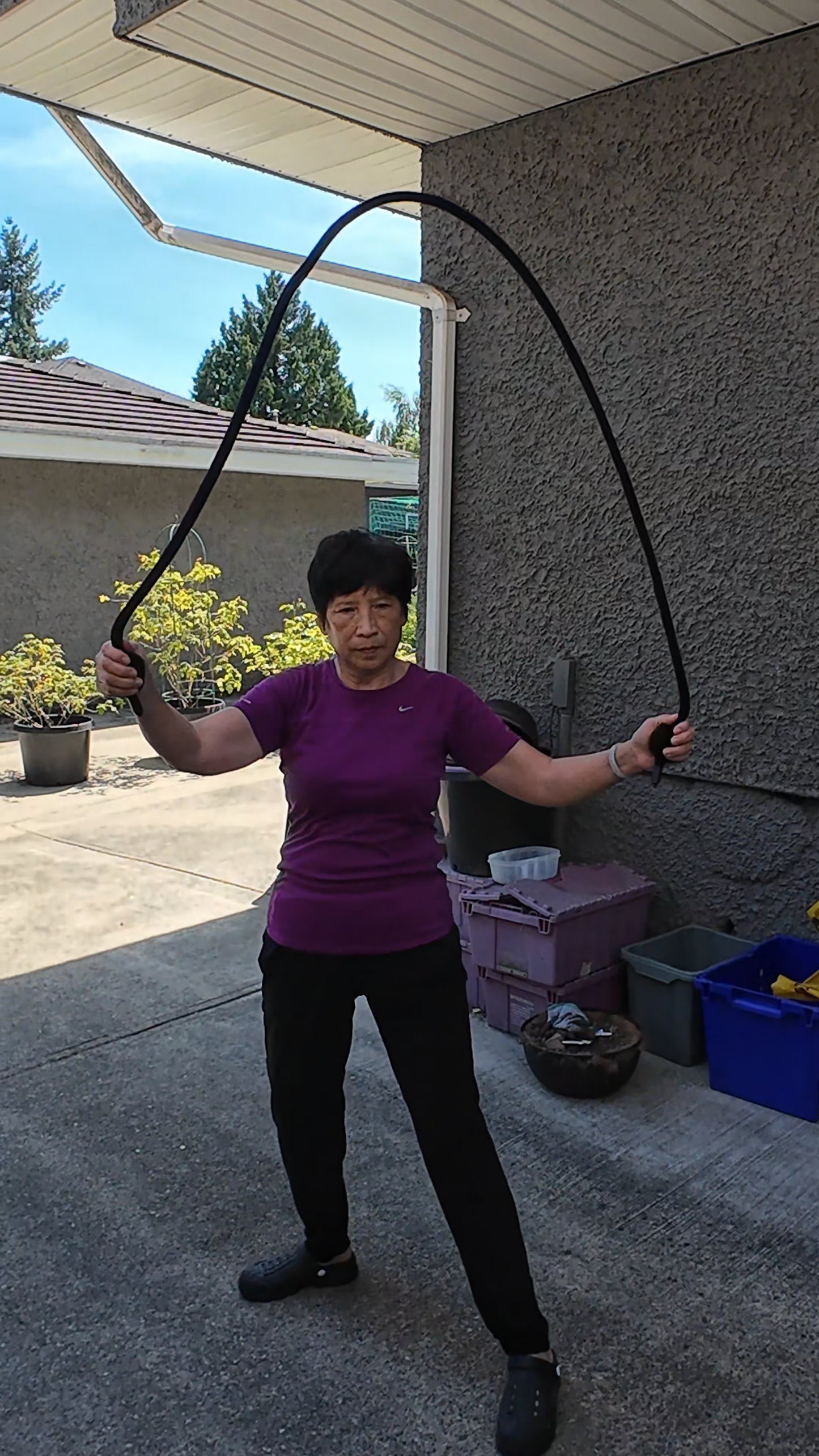
You may have seen someone on social media doing an intense looking rope exercise. That's not battle ropes, it's rope flow, one of the fastest growing movement practices in 2026.
But here's what surprises most people: despite looking challenging, rope flow is actually one of the most accessible and beginner-friendly activities that will get your body moving.
Whether you're looking to improve mobility, build coordination, get some cardio, or simply find a fun way to move more, here's why rope flow has become the movement practice everyone is talking about in 2026.
What Is Rope Flow?
Rope flow is a movement practice that uses a weighted rope (often called a flow rope) to perform continuous circular patterns around the body.
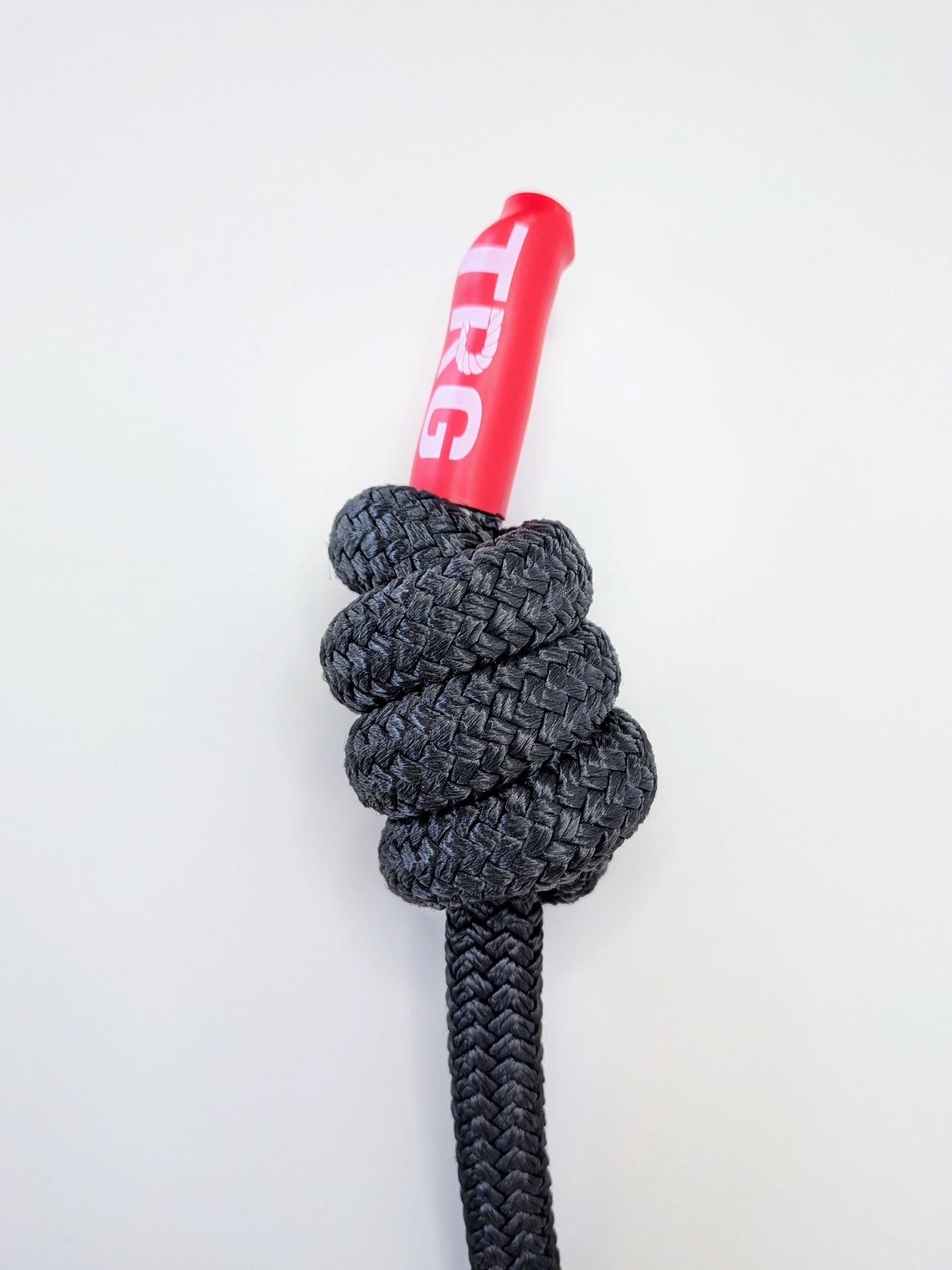
At TRG Flow, we handcraft our flow ropes in Canada in a range of weights, from light beginner ropes to heavy conditioning ropes.
Unlike jumping rope, rope flow focuses on rotational movements, joint mobility, and coordination rather than monotonous repetitive jumping. Practitioners perform flowing patterns such as the Dragon Roll, Matador, Overhand, and Underhand movements while moving naturally through space.
The result is a practice that combines mobility training, meditation, coordination drills, and athletic conditioning with one simple tool.
| Benefits | Rope Flow | Yoga | Jump Rope |
|---|---|---|---|
| Mobility & Joints | Spine, Shoulders, Wrist | Full body | Calves, Quads, Ankles |
| Spine & Posture |
🟢🟢🟢🟢🟢 Spinal rotation + decompression. Feedback corrects posture & timing of movements |
🟢🟢🟢🟢⚪ Emphasis on alignment + posture |
🔴⚪⚪⚪⚪ Limited benefits |
| Strength |
🟢🟢🟢🟢⚪ Scalable with heavier ropes |
🟡🟡🟡⚪⚪ Body weight |
🔴⚪⚪⚪⚪ Primarily for endurance |
| Cardio |
🟢🟢🟢🟢⚪ Scales with tempo/weight/footwork |
🟡🟡🟡⚪⚪ Body weight |
🟢🟢🟢🟢🟢 One of the most efficient cardio tools |
| Flow State & Mindfulness |
🟢🟢🟢🟢🟢 Rhythmic, meditative, flowy. |
🟢🟢🟢🟢⚪ Slower movements encourage mind-body integration |
🟡🟡🟡⚪⚪ Rhythmic but requires high focus |
| Coordination & Control |
🟢🟢🟢🟢🟢 Develops timing, spatial awareness, and keeps you mentally engaged |
🟡🟡🟡⚪⚪ Improves balance + body awareness |
🟢🟢🟢🟢⚪ Improves rhythm, focus, and footwork precision |
| Transferability |
🟢🟢🟢🟢🟢 Rotational movements translate to many sports and activities |
🟢🟢🟢🟢⚪ Varied poses target various muscle groups, improving overall blood flow, strength, and balance |
🟢🟢🟢🟢⚪ Primary benefit is improved bone density |
| Injury Risk |
🟢⚪⚪⚪⚪ Low impact, joint-friendly |
🟡🟡⚪⚪⚪ Strain risk with poor form |
🔴🔴🔴🔴⚪ Impact stress on ankles/shins |
| Accessibility |
🟢🟢🟢🟢🟢 Easier because you won't trip, slower, more gentle, and requires less strength. Scalable complexity. |
🟢🟢🟢🟢⚪ Requires learning moves + proper posture |
🟢🟢🟢🟢⚪ Requires minimal space but causes noise from jumping |
| Equipment Needed |
Flow Rope |
Mat + optional props |
Jump rope |
TLDR: Rope Flow is easier, safer, and has just as many, if not more, benefits!
---
1. It Looks Hard and Dangerous. But It's Actually Easier and Gentler!
One of the biggest misconceptions about rope flow is that it requires perfect rhythm or athletic ability.
The truth?
Most beginners find rope flow easier to learn than jumping rope.
Unlike skipping rope:
- You don't need to jump continuously.
- There's less lower-body coordination required.
- There's less risk of tripping.
- You can learn at your own pace.
Because your feet remain on the ground most of the time, rope flow is also significantly lower impact on the joints than many traditional cardio exercises.
The rope is also thicker and slightly heavier, it moves more slowly. When it hits you, it's more of a flop than the familiar painful whip you get from a jump rope.


Children can start practicing as early as 5 years old, and because it's low impact, it's friendly for seniors too.
For many people, it's the first movement practice they've genuinely enjoyed learning.
2. The Rope Teaches You What You're Doing Wrong
One reason rope flow is so effective for beginners is that it provides immediate feedback.
If your timing is off, the rope
- Hits you.
- Tangles.
- Flops around awkwardly.
While that might sound frustrating, it's actually one of rope flow's greatest strengths.
Unlike Yoga, you don't need a coach constantly correcting your form. The rope naturally teaches you better:
- Posture
- Timing
- Sequencing
- Body awareness
Feedback is instant, clear, and impossible to ignore.
3. It Scales With You Forever
Many fitness activities become repetitive once you've mastered the basics.
Rope flow is different. You can keep increasing the challenge through:
- Increasing your speed
- More complex patterns
- Heavier ropes
- Longer sessions
- Pivots, lunges, or even jumping
Looking to build strength? Use a heavier flow rope.
Looking for cardio? Increase your pace or incorporate footwork
Looking for mobility? Slow down and focus on range of motion.
Rope flow grows alongside your goals.
4. It Helps You Sweat, and Helps You Relax
Few movement practices can simultaneously energize your body and calm your mind. Instead of feeling tired or sore after exercising, most people who try rope flow say they feel more clear headed and relaxed.
As you repeat patterns and movements, your attention naturally shifts into the present moment.
Many practitioners describe entering a state of flow where:
- Time seems to disappear.
- Stress fades away.
- Movement feels effortless.
- Mental chatter quiets down.
Depending on your intensity, rope flow can leave you drenched in sweat or deeply relaxed. Sometimes both.
5. It Unlocks Your Spinal Engine
Traditional strength training encourages maintaining a neutral spine. That's good and important for safety, but that's not how we naturally move.
Rope flow helps restore one of the body's most neglected movement capacities:
Spinal rotation.
Every pattern encourages natural rotation through the:
- Shoulders
- Rib cage
- Thoracic spine
- Hips

Those who try rope flow report feeling looser, more athletic, and more mobile after just a few sessions.
The spine was designed to rotate, and rope flow helps you reclaim that ability.
6. It Improves Balance Without Feeling Like Balance Training
Most balance exercises feel like balance exercises.
Rope flow doesn't.
As you move through patterns, you're constantly:
- Shifting weight
- Transferring force
- Moving between positions
- Coordinating your upper and lower body
Because many patterns in rope flow are done with both hands, it also strengthens your non-dominant side, which is often neglected in daily life and sports.
Over time, this creates better body control, stability, and confidence in movement.
7. It Trains Your Brain as Much as Your Body
One reason people become obsessed with rope flow is that it feels more like learning a skill than doing exercise.
Every new pattern is a puzzle to solve. Unlocking it gives you the same dopamine hit as levelling up in a game does.
Every transition is a new challenge.
Every session offers something to improve.
This constant learning develops:
- Coordination
- Timing
- Rhythm
- Spatial awareness
- Body awareness
- Motor control
Instead of mindlessly counting repetitions, you're actively engaging your brain while moving.
8. It Builds Functional Movement That Transfers to Real Life and Sports
Most athletic movements involve rotation. Unfortunately, many traditional workouts don't.
Rope flow develops rotational strength, mobility, and coordination that can carry over into activities such as:
- Golf
- Baseball
- Tennis
- Pickleball
- Badminton
- Running
- Javelin throwing
- Martial arts
- Wrestling
- Judo
- Hockey
The body learns how to generate, absorb, and redirect force through coordinated movement patterns.

That's what makes rope flow look and feel athletic even when you're moving at a relaxed pace.
9. You Can Practice Anywhere, Anytime
One of the biggest advantages of a flow rope is its portability.
Unlike many fitness tools, a rope is both light and compact. It fits easily into most backpacks, suitcases, or gym bags. You can even wear the rope around you as a fashion accessory!
As for space, all you typically need is:
- Roughly 9 feet of ceiling height
- About 4 feet in either direction around you
Because there's no jumping required, rope flow is apartment-friendly and hotel-friendly too.
You can train:
- Indoors
- Outdoors
- At home
- In parks
- While traveling
Consistency becomes much easier when your workout tool goes everywhere with you.
10. The Rope Flow Community Is Incredibly Supportive
The rope flow community has become known for being welcoming, encouraging, and collaborative.
Whether you're learning your first Dragon Roll or creating advanced combinations, you'll find people eager to help.
Many practitioners share:
- Tutorials
- Progress videos
- Challenges
- Coaching tips
- Beginner advice
The result is a learning environment where people feel comfortable progressing at their own pace. And that's a big reason why rope flow continues to grow year after year.
Why Rope Flow Is Exploding in Popularity in 2026
The modern fitness world is shifting away from punishment-based exercise.
People want movement that is:
- Effective
- Sustainable
- Enjoyable
- Skill-based
- Joint-friendly
Rope flow checks every box.
It improves mobility, coordination, balance, posture, cardiovascular fitness, and mental focus while remaining accessible to beginners.
Most importantly, it's fun.
When people enjoy movement, they stick with it.
That's why rope flow has become one of the fastest-growing movement practices in 2026, and why so many people are picking up a flow rope for the very first time.
Ready to start? I recommend starting with our most popular beginner rope, the Velvet Rope ($70). Not sure what size to get? Our Choosing a Flow Rope guide walks you through weight, diameter, and length.