Where to buy a rope flow rope
By Chin Chang, founder of TRG Flow Updated
Share
Welcome to rope flow! If you're shopping for your very first rope, here's a step-by-step guide and comparison of your options, from a free DIY towel to a premium handmade rope.
Quick honest answer: you do not need to spend much to start. Most people are best served by either making a cheap DIY rope or buying an affordable beginner rope. At TRG Flow, we handcraft flow ropes in Canada, including like-new upcycled ropes rescued from search and rescue organizations, and we've done the research and testing so you don't have to. But before you buy anything, here's every option compared.
Your options at a glance
| Option | Cost | Feel & feedback | Best for |
|---|---|---|---|
| Skipping rope | Free / already own | Too light and usually too long, very little feedback | Testing the idea only, not real practice |
| Towel mace | Free / already own | Surprisingly decent, mimics a rope mace | Simple single-handed moves with no spending |
| Cheap no-brand rope | Low | Frays more easily, but decent to learn on | Trying double-handed moves on a tight budget |
| DIY rope | Low / spare rope | Good if you pick the right material and braid | Hands-on people who like to customize |
| Premium handmade rope | Higher | Best flow, durability, and feedback | Anyone wanting a rope that's ready to go and lasts |
Should you use a skipping rope?
The most accessible comparable tool is a skipping rope, most people have one or can easily get one.
BUT!
Skipping ropes have some drawbacks. They're not ideal for rope flow because:
- They're usually too long - Rope Flow requires a shorter rope, too long and the rope is constantly bouncing off or dragging on the floor, interrupting your flow.
- They're too light - most skipping ropes are PVC (or wire, for speed jumping), these ropes are far too light for rope flow because they barely provide any feedback, making it harder to sense where the rope is in relation to your body as you move it around you.
What about a no-rope alternative like a towel?
Another simple alternative that's easily accessible is a towel. Tie a knot at the end of your towel and ta-da! You've made yourself a towel mace. These are comparable to rope maces. It's not the prettiest, but actually works pretty well for practicing simple single handed moves like the Over/Underhand Figure 8, High/Low Whip, Golf/Bat Swing, or even the shoulder wrap.
If you're keen on learning double handed moves to improve your non-dominant side, the next step up is to:
Should you get a cheap flow rope?
Can't be bothered researching, testing, and customizing your own rope? Just go with a cheap one that you can find on platforms like Amazon/Temu or Shopee/Lazada, depending on what's available in your region.
These no-brand ropes (typically made in China), aren't the greatest, but honestly, you can't argue with value. They fray more easily, but if you take care not to flow on rough surfaces, most of them are actually pretty decent to start with.
Should you make your own rope (DIY)?
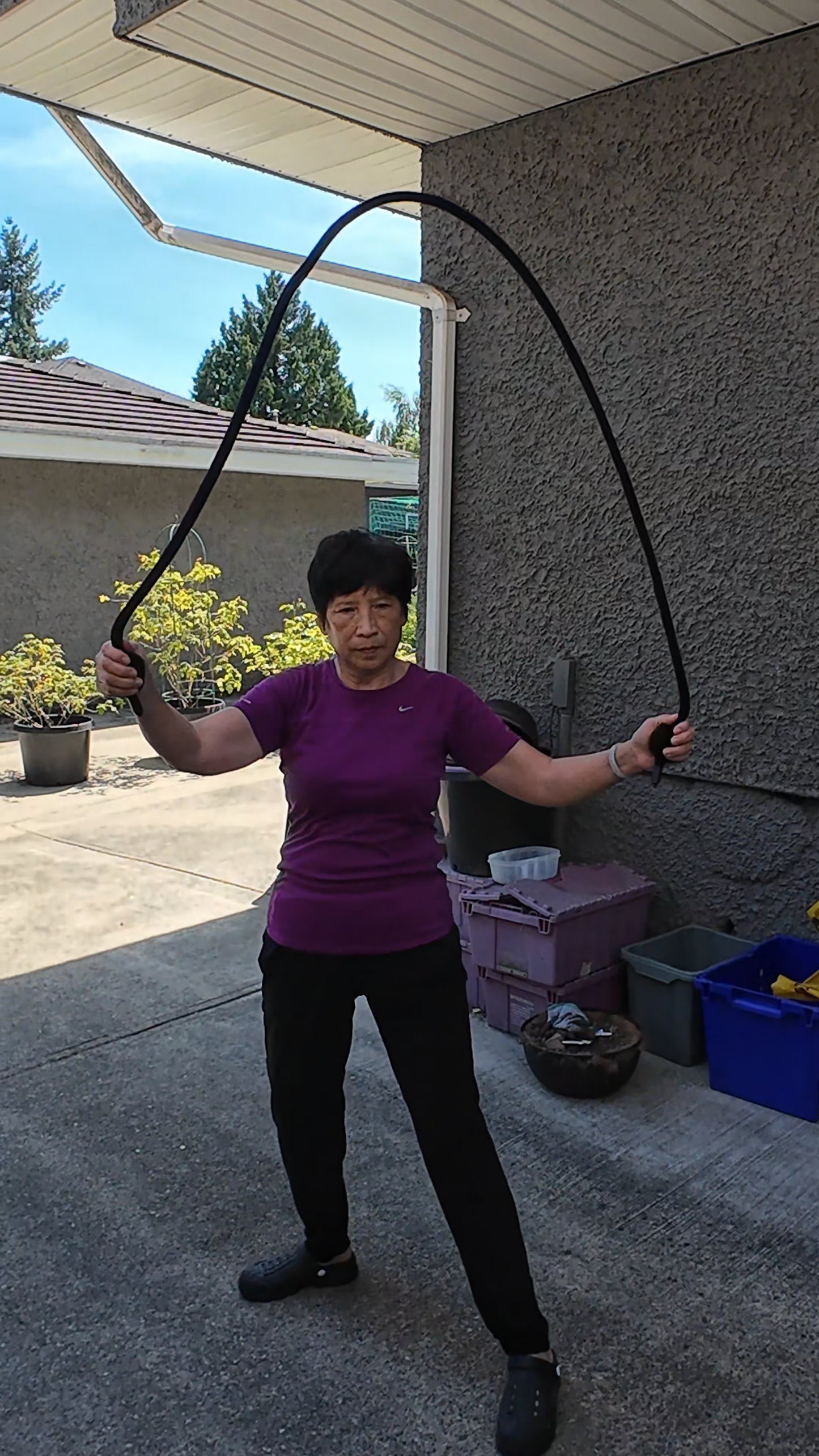
Low on budget? Already have spare rope lying around? Make your own flow rope! Honestly, you don't have to buy a premium flow rope to get started, rope flow is so accessible because it's relatively easy to get your hand on some rope and make your own!
That said, there are certain qualities that differentiate a good rope from a bad one. Here's what you're looking for:
- Material: avoid stiff/coarse/or rough ropes made from materials like Jute, Sisal, or Manila Rope. Hemp, Cotton, Polyester, or Nylon are better choices.
- Braid: single braid is doable, but not preferred. Double braid adds a little more weight with the added benefit of the outer sheath to increase durability.
-
Braid style: Avoid a twist braided rope. If made from a softer material like cotton/hemp, they're still OK; however, they're still not ideal because a twist braid tends to resist movement in a certain direction as it causes the twist to open up. This makes the rope a little stiffer and doesn't allow it to roll/adjust as easily, causing more kinks/tangles.
- Diameter: 13-16mm (or 1/2 inch - 5/8 inch) is a good starting point.
- Length: If you're between 5'5"-6', start with about 11' of rope (total length, before making the handles).
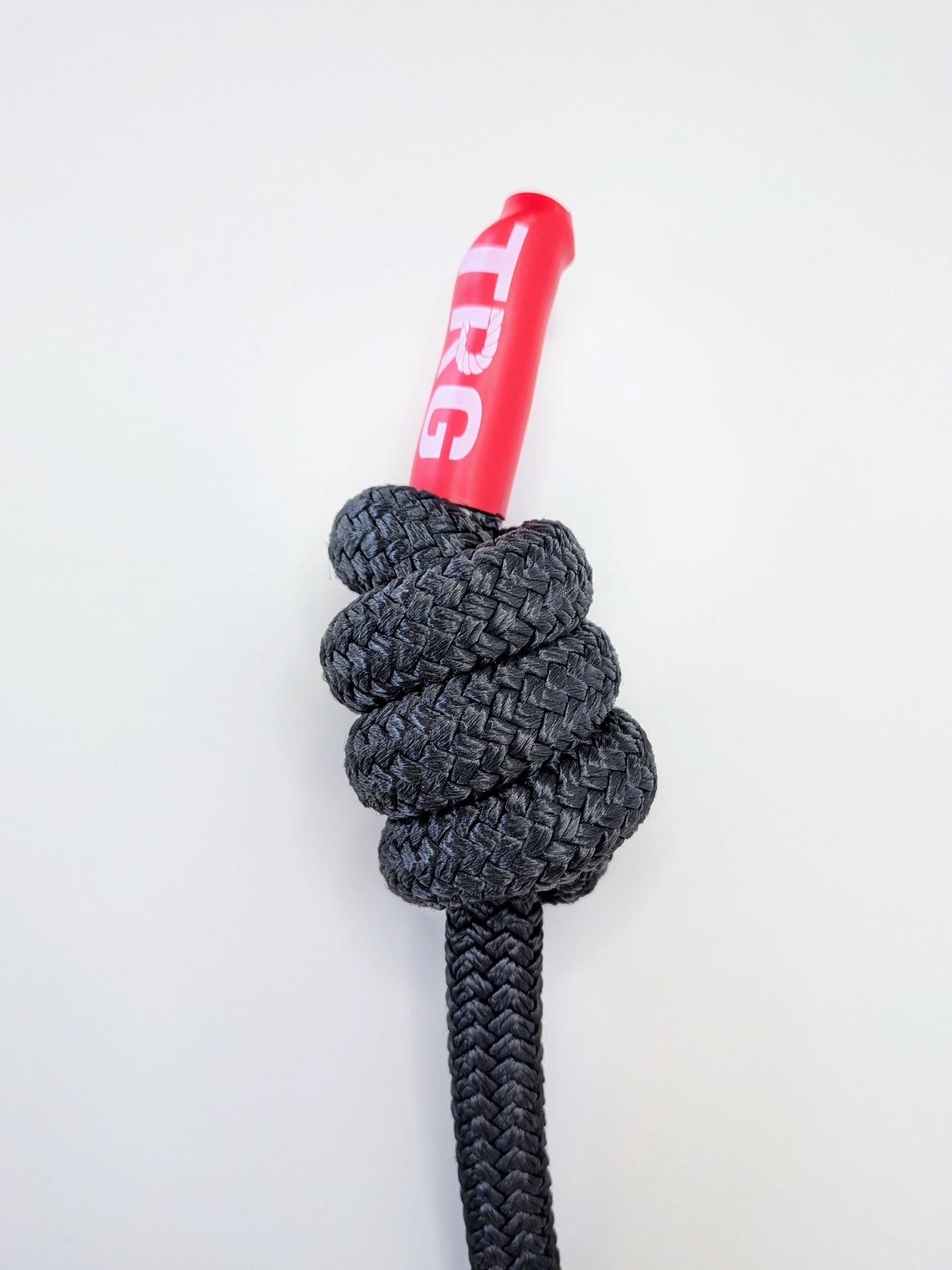
Here's a tutorial on how to tie the handles.
Should you buy a premium rope?
Despite running a business that makes and sells these ropes, to be completely honest, I'm just happy to help more people get into this sport. You really don't need to drop top dollar to get into this.
There are some reputable specialized flow rope manufacturers like Slush Ropes (US), Winding Ropes (Australia), Way of the Rope (UK), and many more depending on your region. My first impression when I came across them was "why is a simple piece of rope so expensive?!" I feel you, that's a totally justified reaction.
I've come to learn that well made ropes do cost substantially more, and the price scales with thickness of the rope. Just look at climbing or arborist ropes as an example, sure they're longer, but they start at a couple hundred dollars. These are the ropes you'll trust your life with after all. Marine or tow ropes rated for higher weight limits also don't come cheap.
So why buy from TRG Flow?
- I try my best to price my ropes to be as accessible as possible.
- I achieve this by not only carrying new ropes, but by also offering like-new upcycled ropes that are bought from search and rescue organizations, giving them a second life and keeping them out of the landfills.
- I've done all the research & testing for you.
Ready to take the leap? Browse our full selection of ropes here. I recommend starting with our most popular beginner rope, the Velvet Rope ($70). Not sure what size to get? Our Choosing a Flow Rope guide walks you through weight, diameter, and length.