Heavy Flow Ropes: When to Upgrade and Which One to Choose
By Chin, founder of TRG Flow Updated
Share
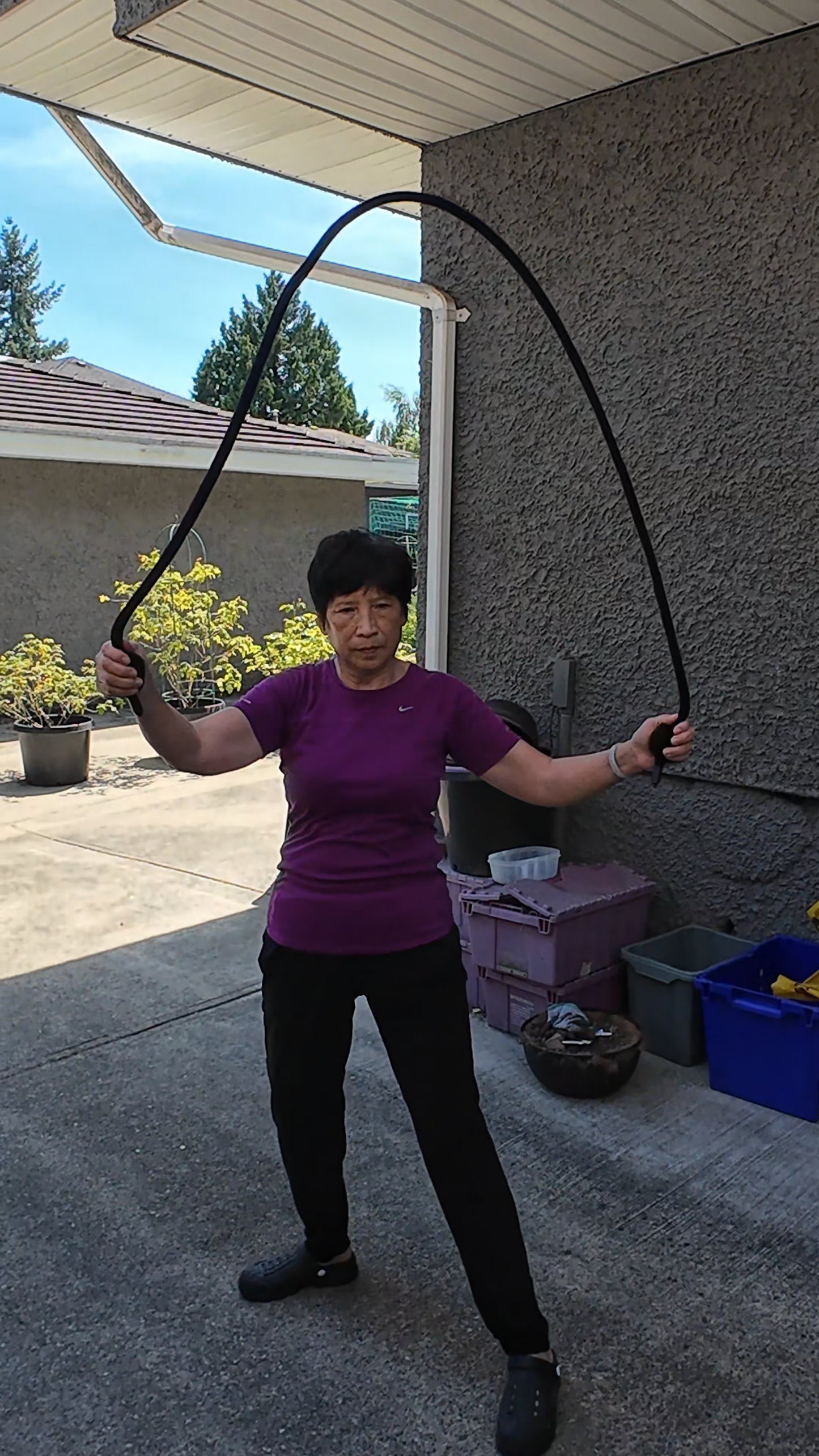
Once a light rope feels effortless, a heavy flow rope is how you keep progressing. Heavier ropes add resistance, build real conditioning, and demand more control. But moving up too soon is the most common mistake intermediate practitioners make, and it wrecks the clean form you worked to build. This guide covers exactly when to upgrade and how to choose between the heavy options.
For the full weight-by-weight breakdown across every level, see our Flow Rope Weight and Diameter Guide. This post focuses specifically on the upgrade decision.
What a heavy flow rope actually does
A heavy rope changes the practice in two ways. First, it adds resistance, which turns rope flow from primarily a coordination drill into a genuine strength and conditioning workout for your grip, forearms, and shoulders. Second, it slows the movement down and amplifies feedback, so every error in your timing becomes obvious. That is useful once your mechanics are solid, because it sharpens them, and counterproductive before then, because it just exhausts you.
How to know you're ready to go heavier
You are ready to step up when two things are true. Your current rope no longer challenges you, and your basic patterns feel smooth and automatic. The clearest tell is control: if you can flow continuously for several minutes without thinking about mechanics, the rope is no longer teaching you much, and a heavier one will add value rather than just fatigue.
If you still fumble transitions, lose the rhythm, or have to reset often, stay where you are a while longer. There is no prize for rushing. The practitioners who progress fastest are usually the ones who mastered each weight before moving on.
The heavy progression: 19mm to 40mm
The heavy range is a ladder, not a single jump. Here is how the steps compare:
-
19mm Pulse ($110 CAD): the entry heavy rope and the natural first step up from a 13 or 16mm. Noticeably more resistance without being overwhelming, which makes it the right first heavy rope for almost everyone.
-
29mm Obsidian ($180 CAD): a true conditioning rope. This is where the strength and endurance benefits become serious. It builds grip and shoulder endurance fast.
- 40mm Baby Beluga ($240 CAD): ultra-heavy and limited production. This is the aspirational rope for advanced conditioning, for experienced practitioners who want serious resistance and have the control to handle it.
Compare them all side by side in the Heavy Ropes collection.
Don't skip the steps
It is tempting to jump straight to the heaviest rope you can find, especially if you are strong. Resist it. Each step in the progression trains control at a new resistance level, and that control is what lets you actually use the next weight up. Skip ahead and fatigue sets in before you can hold form, you will end up reinforcing the exact bad mechanics you are trying to avoid. The rule is simple: move up only when the current one feels too easy.
How to train with a heavy rope
Heavy ropes reward shorter, more focused sessions. Where you might flow with a light rope for fifteen or twenty minutes, a heavy rope session might be a few intense minutes at a time with rest between. Treat it like resistance training: quality of movement over duration. Stop the set when your form starts to slip, not when you are completely spent, because flowing with broken form on a heavy rope is how people end up injuring themselves.
Common signs you upgraded too soon
If you have already jumped to a heavy rope or something feels off, these are signs that you moved up too fast. Your sessions end from shoulder or grip fatigue within a minute or two rather than from a good workout. Your flow is choppy and you need to reset constantly. You feel excessive tension in your wrist, shoulders, neck, or traps instead of smooth rotation through the hips. And the movement stops being enjoyable and starts feeling like a grind. If that sounds familiar, drop back to a lighter rope for a few days, rebuild the smooth pattern, then step up again. There is no shame in it, and your form will thank you. Regress to progress!
Why heavy doesn't mean low quality
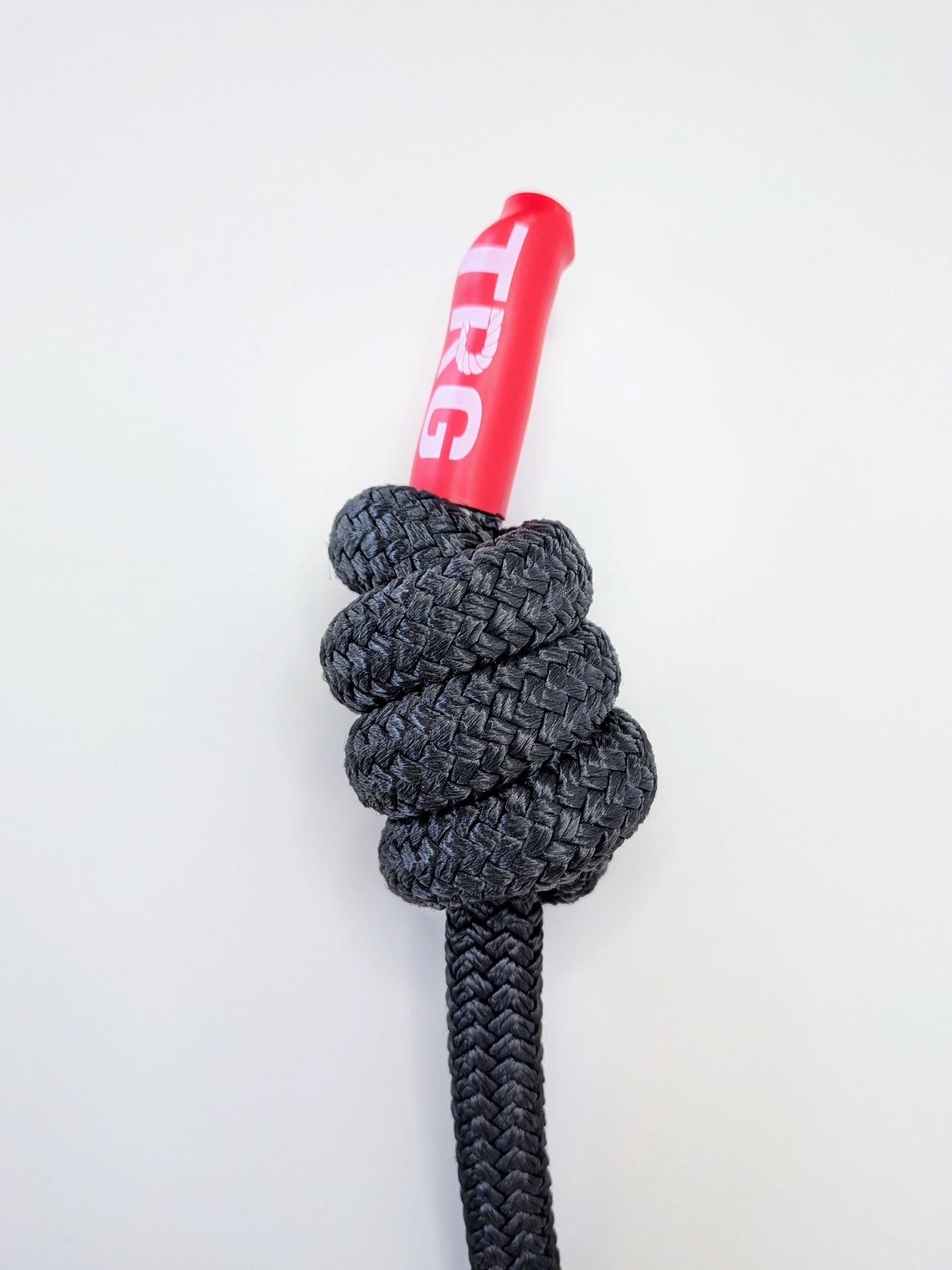
There is a difference between a heavy rope and a good heavy rope. A cheap, stiff heavy rope is awkward and punishing. A well-made one flows smoothly despite its weight, which is what makes it a real conditioning tool rather than a chore. Every TRG Flow heavy rope is handcrafted in Canada, many from upcycled search-and-rescue or marine rope, a premium material rated for heavy loads. That material, weave, and the hand-finishing are what let a 25mm or 29mm rope still move beautifully. Read more on the Canadian-Made Flow Ropes page.
Not sure if you are ready to go heavy yet? Our Choosing a Flow Rope guide helps you place yourself honestly, and the Flow Moves Database gives you new challenges to master at any weight.