





LIFETIME Guarantee
Hi, I'm Chin,
I personally stand behind every rope I make. If something’s not right, I want to make it right. Here’s my simple, no-stress Guarantee/Warranty/Return Policy:
Not happy with your rope? Damaged? Worn out? Received a wrong item?
Keep it. No need to send it back. No photos. No hassle.
You’re welcome to pass it along to a friend, donate it, or repurpose it however you like.
Full process details on our Flow with Confidence Guarantee page:
Build Your Flow Set
Buy a Heavy Rope → Get any Light/Medium Rope 50% OFF


Discount automatically applied when both qualifying ropes are in your cart.
Upcycled ropes are sourced from local Search and Rescue (SAR) teams. They are still in great shape, but retired for safety reasons - maybe they’ve reached their shelf life (even if never used), were used in a high-tension rescue, or were cut too short for field use. Every rope is purchased at a fair price, meaning your support directly helps fund and sustain these vital organizations.

Soft Enough to Forgive You. Heavy Enough to Teach You.
When you're learning rope flow, you want two things.
- Easy and forgiving...
- But also gives you enough feedback to actually learn.
Those two don't always go together.
- Too light and you feel like you're swinging nothing. It's harder to feel where the rope is and what your body is doing.
- Too heavy or stiff? You definitely get feedback, but sometimes the hard way.
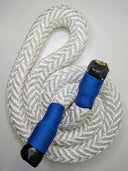
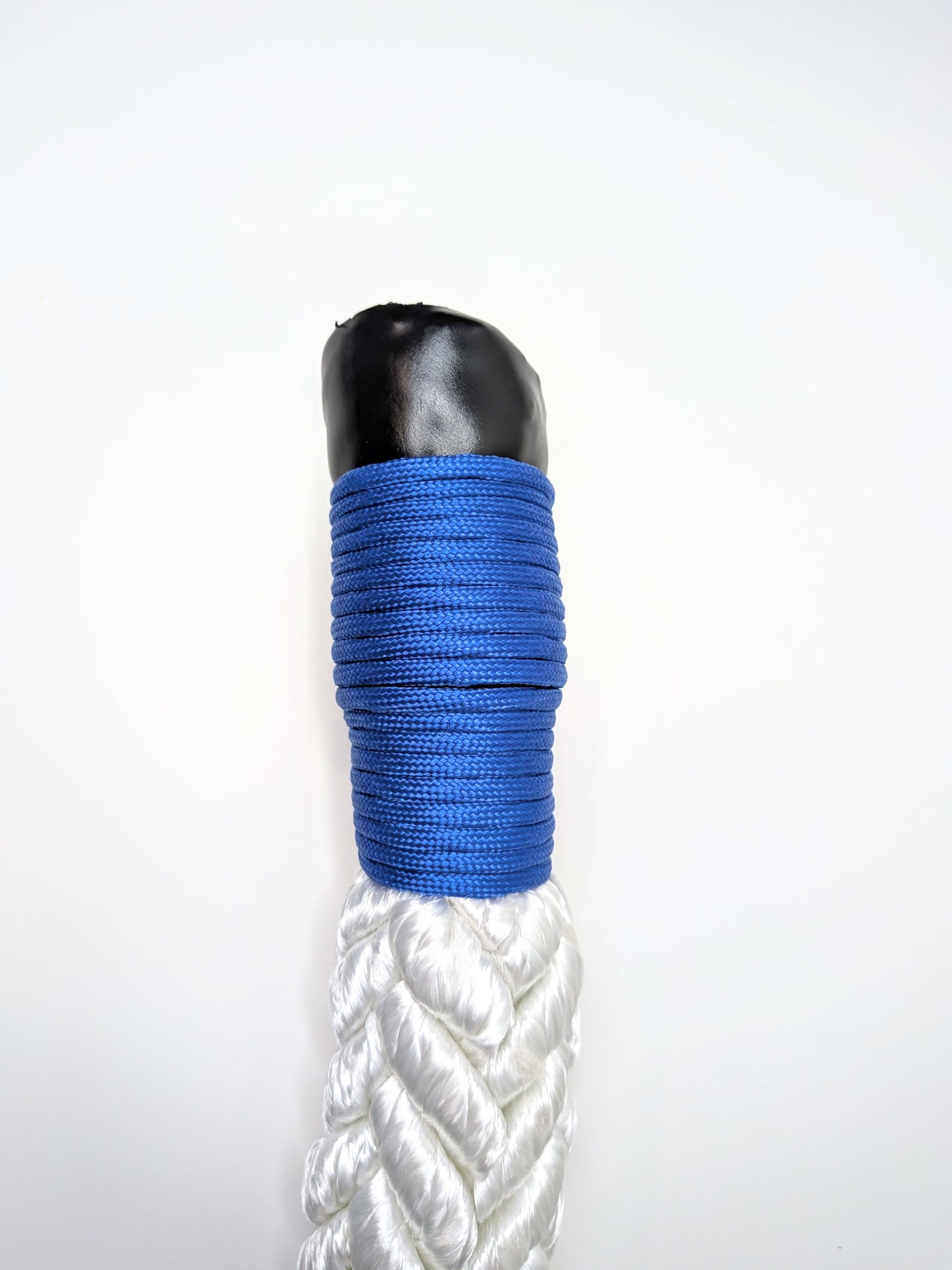
🌀 Our ropes are designed specifically for rope flow - made to be soft and forgiving for beginners, while still having enough weight and presence to help you feel every rotation.

The missing piece in your fitness routine
What's the point of getting stronger if that strength doesn't help you live your life?
A functional body also needs:
- Strength and endurance
- Balance and coordination
- Mobility and range of motion
- Rotational strength
- The ability to move dynamically and react to the world around you
Because life doesn't happen in straight lines.
We bend. Twist. Reach. Rotate. Balance.
And if we don't practice those movements...We lose them.
Rope Flow challenges your coordination while encouraging rotational movements that strengthen your lower back and improve shoulder mobility.


