Thinking About a Heavy Flow Rope? Read This First
By Chin Chang, founder of TRG Flow Updated
So you're hooked! Or you wouldn't be here.
If you're relatively fit, you're probably thinking of adding a heavy rope to your rope flow practice at some point. Here's everything you need to know before you take the leap.
At TRG Flow, we handcraft heavy flow ropes in Canada from quality marine and tow rope, including upcycled rope rescued from search and rescue organizations, so you get a smooth, well-made heavy rope without the usual premium price. We've researched, bought, and tested all sorts of ropes so you don't have to. But first, let's make sure a heavy rope is actually the right next step for you.
Besides the obvious - weight, what distinguishes a heavy flow rope from a standard flow rope?
A flow rope above 700g starts to edge into the heavy rope category.
It's possible to add weight to a rope via an attachment like a wrist/ankle weight, but these aren't common as they augment the flow experience and make it a little clunky.
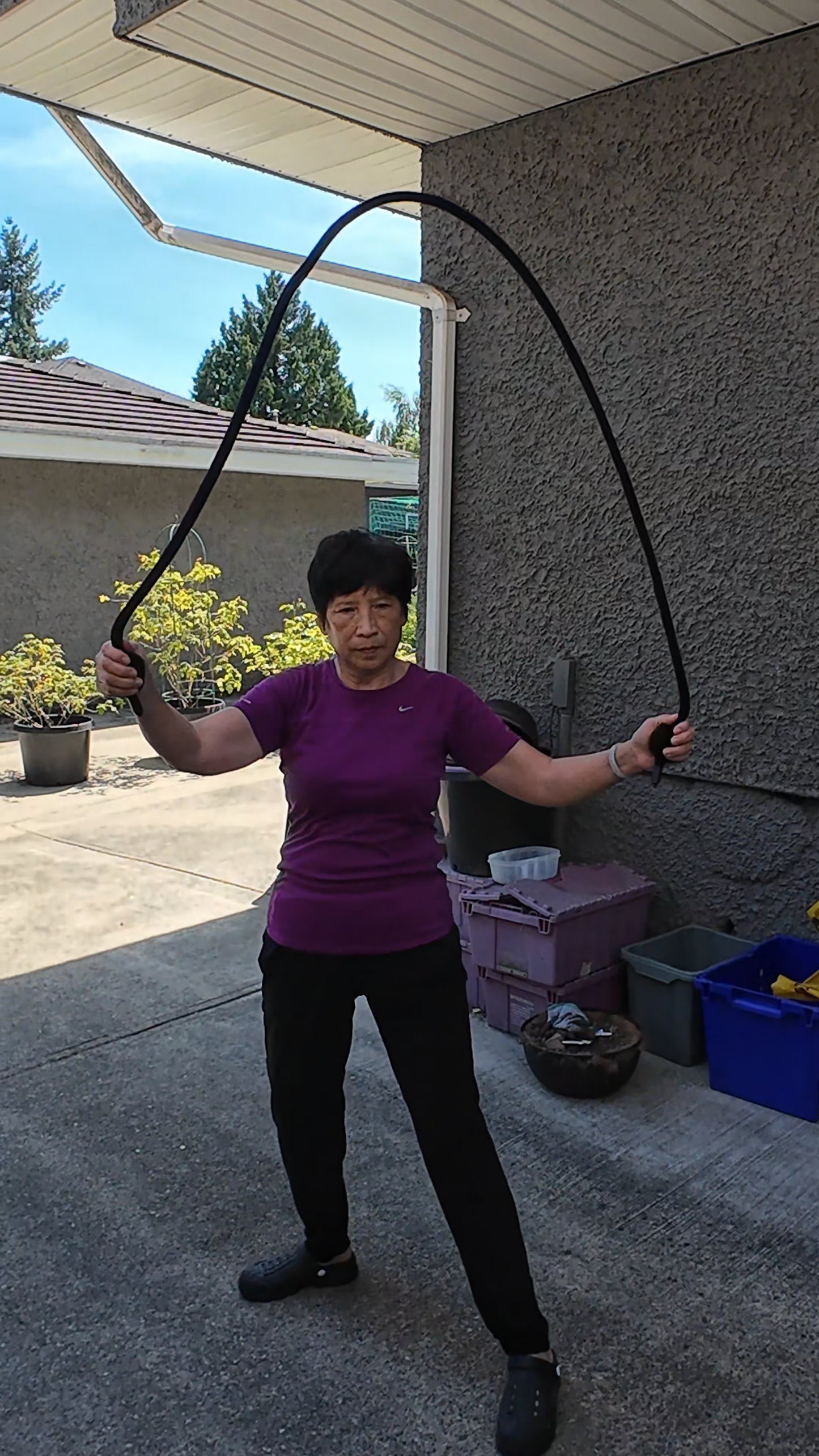
The more common way to increase the weight is to switch to a thicker diameter rope. Most heavy flow ropes are 19mm (0.75inches) or more. As a result, these thicker ropes usually have a different handle because it becomes difficult/bulky to tie a knotted handle with a thick rope. The most common handle on heavy ropes is a whipped paracord finish, not only does it add more grip, but it also prevents the rope end from fraying.
As a result of these straight (instead of knotted) handles, your grip changes significantly. Not only does it train grip strength, because of the way you're required to grip it, certain moves become a little harder to execute because they'll require more wrist mobility.
When am I ready to upgrade to a heavy rope?
Generally, I discourage starting too early with a heavy rope.
- A heavier rope fatigues you faster, this leads to less practice time - makes it harder to learn new moves.
- It could also lead to developing bad form/techniques which may even risk injury if you progress too quickly without gradually developing the necessary strength and stamina to wield a heavy rope.
Instead, start with a medium rope between 300-700g. A rope in this range should allow you to get more swings in because it won't tire you too quickly, yet have enough weight to give you the feedback you need.
As you start to practice and unlock moves, it might be tempting to upgrade right away, but resist that temptation until your moves feel clean and smooth - if you're finding the rope kinking often, losing tension and flopping, or hitting you, there's still more work to be done before you're ready to upgrade.
Once moves come naturally and feel effortless, you're probably ready for a heavier rope. Even so, don't jump more than 500g at a time, gradually progress to heavier and heavier ropes to avoid injury.
Most practitioners, myself included, own multiple ropes and still frequently practice with our medium ropes. The medium ropes is good for building new patterns and testing or learning new moves. Heavy ropes are used intentionally for strength conditioning sessions.
What makes a good heavy rope?
Not all ropes are created equally, many factors impact the form and feel of a rope
- Material
- Weave density
- Braid pattern
- Single vs. Double braid
- Core vs. Sheath proportion
Let's start with what's bad: Battle ropes or heavy jump ropes sold on platforms like Amazon.
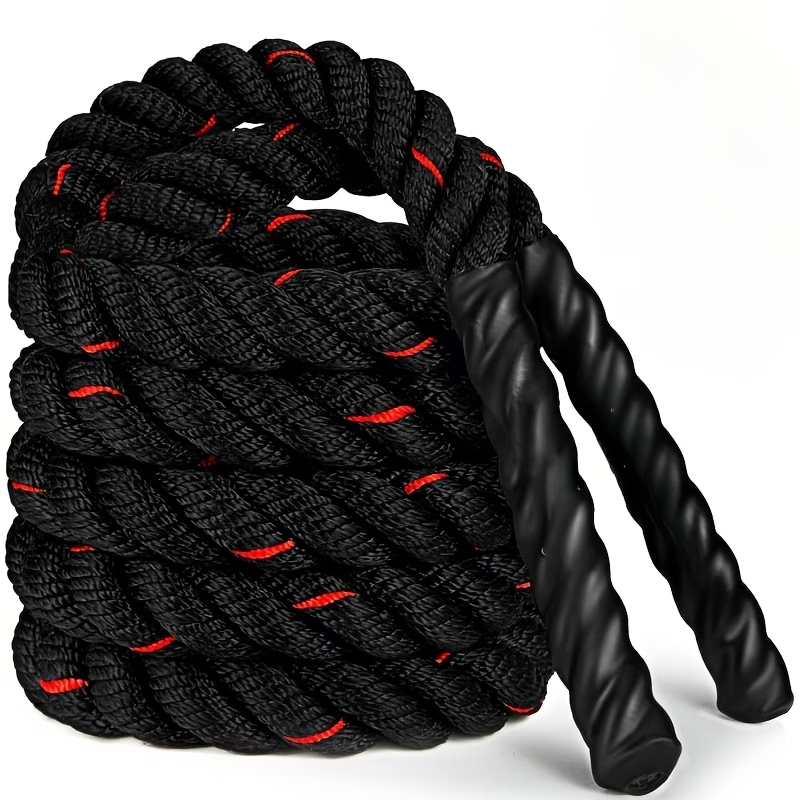
These ropes are often made with still polyester material woven in a single direction braid. What does that mean? They're usually VERY stiff. A stiff rope doesn't flow, it's more like swinging a floppy stick around. The single direction braid causes the rope to resist movement in a particular direction and causes it to kink and tangle more often. Because it's so stiff, it'll also hurt a lot more when it hits you.
Good heavy ropes are typically made from quality marine or tow ropes. These are often double braided with thinner strands to increase strength (which as an added side effect, increases weight as it gets thicker) whilst still allowing the rope to be soft and malleable.
The catch? These ropes don't come cheap, they're rated for heavy-duty strength and performance and come at a premium price ($200-$300+).
At TRGFlow, we've researched, bought, and tested all sorts of ropes - climbing, arborist, tow ropes, marine ropes, you name it. We've put in the time to select the best ropes for every workout so that you don't need to waste your time doing the same. We also try our best to bring down the cost by working with quality upcycled ropes, these ropes are bought at a discount because they are otherwise too short for commercial applications.
Browse some of the different types of heavy ropes we carry here.
How do I select the right heavy rope?
Once you've decided you're ready, here's how our heavy ropes compare, from the entry-level heavy rope up to ultra-heavy:
| Rope | Diameter | Handle | Best for | Price (CAD) |
|---|---|---|---|---|
| Velvet Chain | Knotted (braided medium) | Knotted, self-correcting | Heavy feel with familiar knotted handles and easier wrist articulation | $180 |
| Pulse | 19mm | Whipped paracord | Your first heavy rope, entry into the heavy category | $110 |
| Obsidian | 29mm | Whipped paracord | A true conditioning rope once your moves are clean | $180 |
| Baby Beluga | 40mm | Whipped paracord | Ultra-heavy strength conditioning, for experienced practitioners chasing more resistance | $240 |
Step 1: Decide your weight
The general rule of thumb is thicker = heavier.
Also remember, 1kg may sound light, but once you start swinging that baby around, you'll really feel the momentum. If your goal is to build strength, I recommend gradually upgrading instead of jumping straight to an ultra heavy rope.
Step 2: Choose your handle/grip style
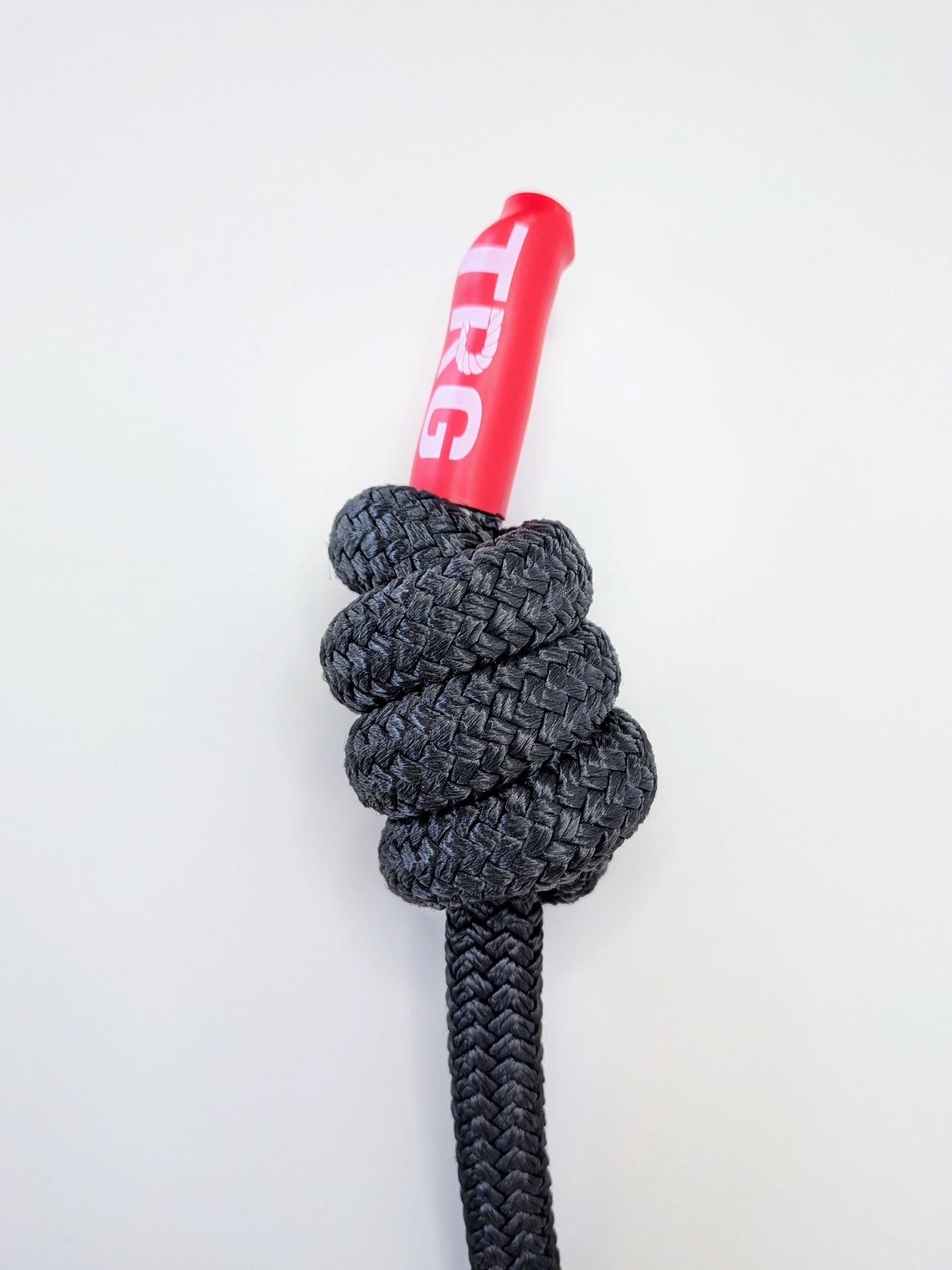
Straight handles develop more grip strength, but can be challenging if you have wrist mobility issues. The Velvet Chain Rope is made by braiding a standard medium-weight rope, creating the familiar knotted handles that allow the rope to roll and self-correct more easily while still providing the added weight and resistance of a heavy rope.
Also consider: What are some of your favourite moves?
Some moves that require more wrist articulation are harder with a straight handle. On the other hand, techniques such as the mic release or float are nearly impossible to execute with the Velvet Chain Rope, as its weight is balanced closer to the apex of the rope instead of being concentrated at the handles. This changes the rope's rotational dynamics and limits its responsiveness during release-based movements.
Step 3: Measure to fit
Unlike regular ropes which you can shorten by adding knots or lengthen by reducing the knots in your handle, heavy ropes are cut and made-to-size. It's not possible to adjust the length by adding a knot because the knot will be too large and clunky.
You'll likely want to go down by a feet from the regular rope you're using. If you're not sure how to size for a regular rope, view the Choosing a Flow Rope Guide here. Otherwise, if the heavy rope is scraping the ground often, you'll find it less flowy and it will wear out a lot faster. e.g. if you normally use an 8ft medium rope, go for a 7ft heavy rope.
Ready to size up? Browse our heavy ropes, all handcrafted in Canada. Still building toward your first heavy rope? Start with a medium rope and upgrade once your moves feel clean and effortless.